Food relief · Gaza Strip
Food and nutrition under restrictions
Flour, ready-to-eat food and nutrition supplies followed different routes through kitchens, bakeries and outreach services.
· Retrospective
Different ways to put food within reach
The World Food Programme (WFP) reported in July 2025 that it had dispatched more than 1,200 trucks carrying 18,247 metric tons of food inside Gaza since May 21. Cargo included flour, ready-to-eat rations, yeast and emergency nutrition supplies. Those different products served different needs, from bread production to food that required little preparation.
The wider response also used community kitchens. WFP’s April account explained how these kitchens had become a vital source of prepared meals as household supplies disappeared. Their operation depended on replenishment: by April 25, WFP had delivered its remaining stocks to kitchens, while its supported bakeries had already closed after running out of flour and cooking fuel.
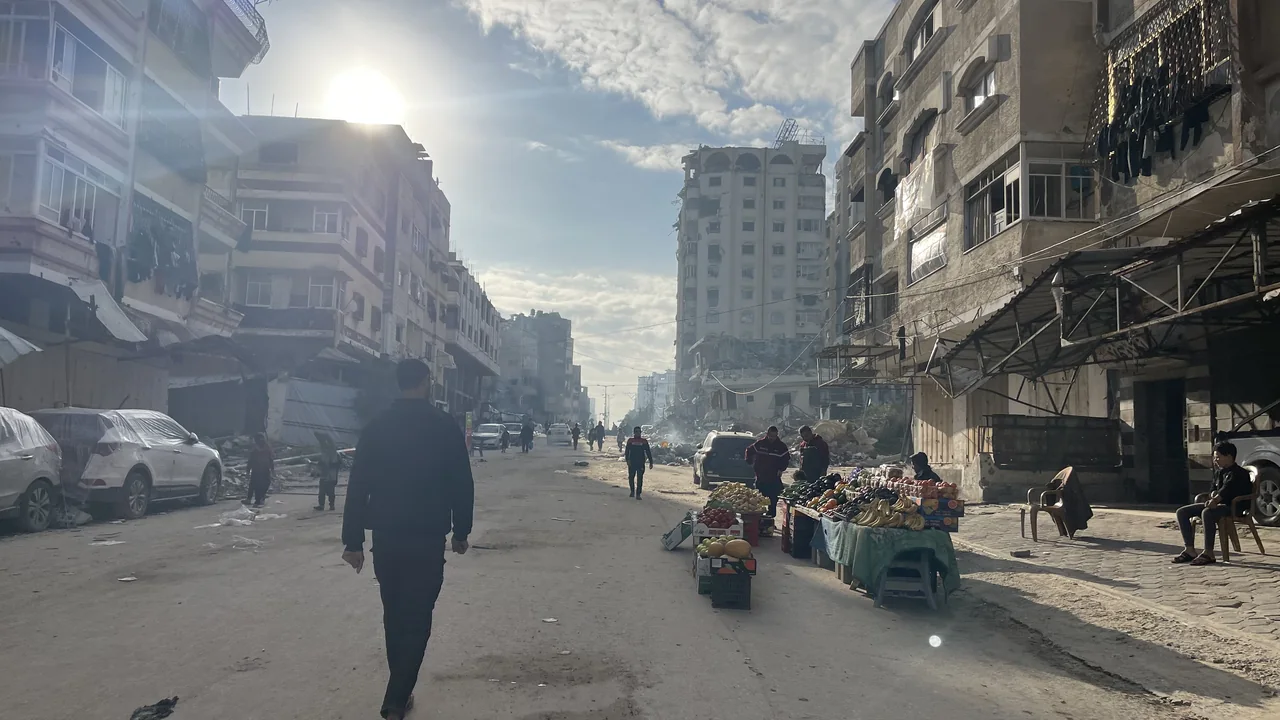

Nutrition support close to families
Alongside general food assistance, WFP’s July report recorded nutrition-prevention support for 102,544 children under five and pregnant or breastfeeding women at 92 active sites. This targeted work recognized that access to calories alone could not meet every nutritional need.
UNICEF’s separate account later that July shows what hands-on nutrition services involved. Trained workers measured children’s upper-arm circumference to screen for malnutrition, provided nutrition supplies and counselled caregivers about feeding. Mobile nutrition teams reached underserved areas where disrupted services made fixed clinics difficult to use. These activities connected the delivery of specialized products with assessment and follow-up for individual children.
Access and continuity
The route from a crossing to a household remained deeply uncertain. WFP said hungry communities had intercepted most of its incoming trucks, even as some direct distributions continued. Safe routes, functioning communications and faster clearances were essential to a more dependable operation.
UNICEF’s July account followed a mother whose child had received nutritional support for two months before supplies stopped; she described his health worsening when that support disappeared. Her experience illustrates why continuity belongs at the centre of food relief. A functioning program needs regular supplies, accessible services and time to monitor changing needs.