Water and sanitation · Gaza Strip
Getting water to households in Gaza
Desalination plants, fuel supplies, trucking and repairs worked together to provide drinking and domestic water.
· Retrospective
From desalination plant to distribution point
UNICEF’s August 2025 report described drinking and domestic water support for more than 1.6 million people in Gaza. The delivery system involved local suppliers as well as humanitarian organizations: UNICEF contracted 20 private desalination plants to supply drinking water at subsidized prices for trucking by UNICEF and 26 partners in the water, sanitation and hygiene response.
This arrangement helped make water available free of charge to displaced people and returnees. It joined water production with distribution across communities where normal networks had been damaged. The report also recorded the start of rehabilitation work on five wells, adding repair work to the immediate task of moving water by truck.

Keeping essential equipment running
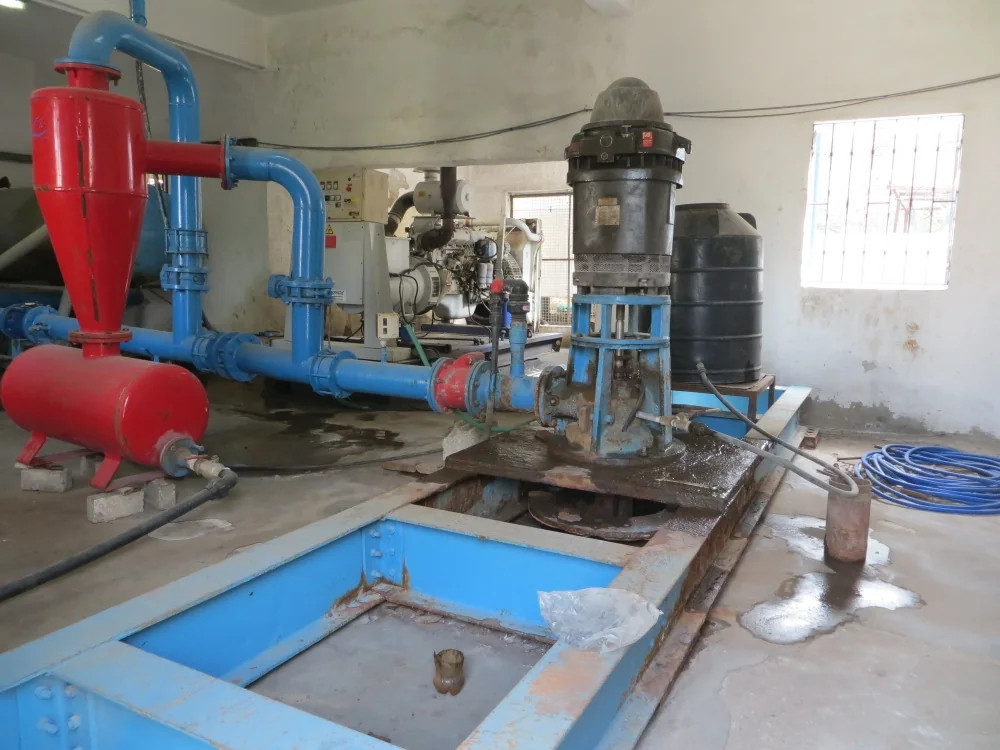
Water production required a continuing supply of energy and treatment materials. UNICEF reported providing 500,000 litres of fuel through the UN coordination mechanism in August, while warning that this remained insufficient. It also supported facilities with chlorine and other chemicals needed for safe water and desalination operations.
A UNICEF USA account published that month placed those inputs in a wider service system. Repairing wastewater pumping facilities, maintaining networks, constructing mobile latrines and collecting solid waste helped address the sanitation problems around water delivery. Supplying a community meant supporting both the water people used and the handling of waste around their living spaces.
The time families spend collecting water
The same UNICEF USA account described children spending their mornings searching for water and carrying containers, with school and play displaced by the work of meeting basic needs. Families conserving small quantities for drinking and cooking also struggled to bathe or wash clothes.
Reliable service depends on the next fuel delivery, a working pump, treatment supplies and a distribution route that people can reach safely. Repairing infrastructure can reduce dependence on emergency trips, but those repairs take materials and continued access.