Household support · West Bank
Food and vouchers in the West Bank
Monthly food parcels and vouchers help families cover essentials as funding cuts reduce support.
· Retrospective
Supporting a household after income disappears
The World Food Programme’s September 7, 2026 report followed Salem al-Hathaleen’s family in Um al-Kheir after the loss of access to grazing land undermined their livelihood. Their monthly assistance combined wheat flour, lentils and cooking oil with vouchers worth US$16 per family member, redeemable at participating stores.
The mix supplied staple foods and purchasing power for other necessities. The household example sat within a wider response delivered in coordination with Palestinian authorities and UN partners, including food, cash, nutrition and livelihood support for displaced people, vulnerable mothers and children, and herder families.

Why purchasing power is part of food assistance
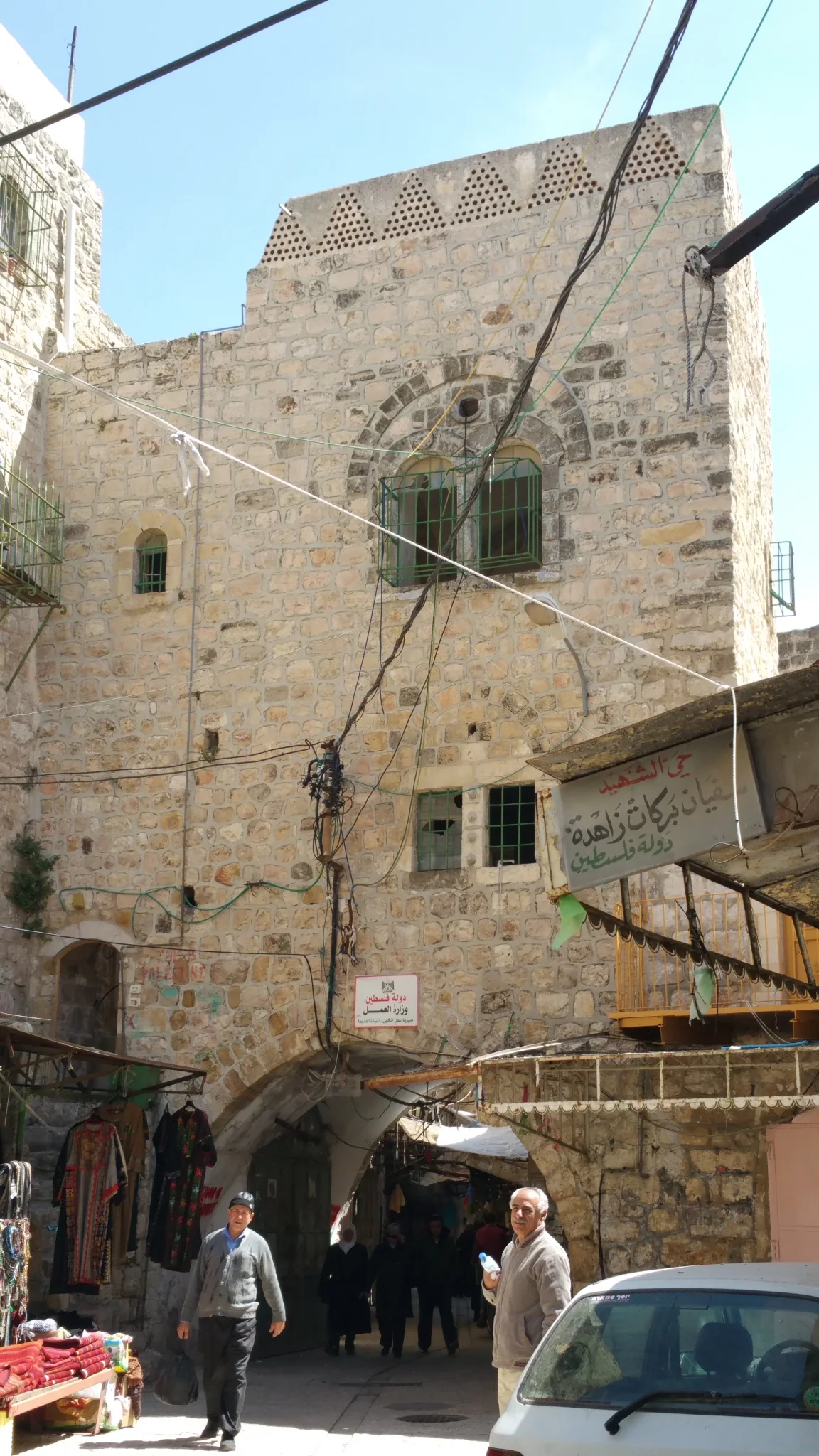
WFP’s explanation of cash assistance starts with a practical distinction: food can be present in a market while a family cannot afford it. Cash lets people respond to their own needs, and spending at local businesses can help sustain trade and jobs. The West Bank vouchers in the report were redeemable at participating shops.
These approaches depend on a usable market. The household still needs somewhere to shop, goods on the shelves and prices its assistance can cover. The West Bank account illustrates how a parcel and a voucher can work together, rather than assuming one form of help meets every need. It also shows why the value and continuity of support matter alongside the number of people enrolled.
Food today and the means to earn again
WFP’s broader Palestine program works with national institutions and local organizations on agriculture, greenhouses, livestock and vocational training, including opportunities for young people and people with disabilities. It also supports national food-security monitoring and social protection systems. Those activities address household income and the institutions that deliver assistance, alongside immediate food needs.
The September report, however, described a shrinking response: previous support for more than 400,000 vulnerable people was being reduced to coverage of 200,000 from that month because of funding cuts. Families losing land, work or assets were facing a narrower safety net at the same time.