Food security · Gaza Strip
Keeping food assistance going in Gaza
Parcels, kitchens, bakeries and cash transfers depend on a steady supply of food, fuel and funding.
· Retrospective
Several ways to put food on the table
The World Food Programme’s July 23, 2026 account described monthly assistance reaching 1.5 million people in Gaza through food parcels, hot meals, bread and cash. A community kitchen could provide a prepared meal, while a parcel supplied ingredients for cooking and cash helped a family buy what the parcel did not contain.
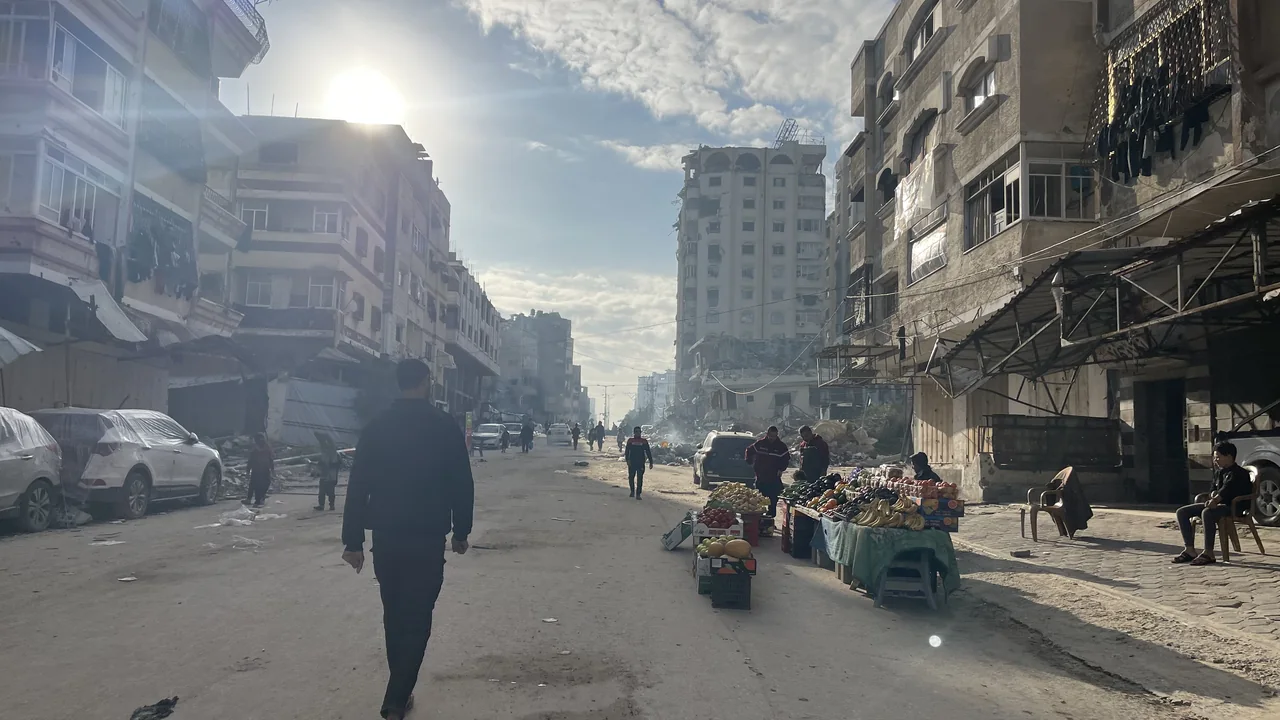
Inas Al Qombuz’s experience made that combination tangible. She described using parcel staples such as rice and beans alongside cash for missing foods, including vegetables. Yet fresh produce remained scarce and expensive. Receiving assistance did not remove the difficulty of assembling a varied diet.

The bakery network behind a loaf
A separate WFP report from May explained one part of this delivery system. The agency supplied flour and fuel to 26 bakeries, with 164 retailers selling the bread. Under that arrangement, eight of every ten bundles went to shops at a capped price, while two went free to families through hot-meal kitchens.
That model supported both household access and local production. The same report described a pilot in which selected bakeries received diesel while sourcing other inputs themselves, giving owners more control when commercial supplies allowed. Both approaches depended on machinery, affordable ingredients and dependable access. Damaged equipment and costly spare parts could interrupt production even where a bakery had reopened.
Funding and shared services
By July, WFP warned that funding shortages were forcing ration cuts. The reported improvements remained vulnerable to disruptions in aid and trade. A delivery system has to keep working repeatedly if households are to rely on it.
WFP’s Palestine program also includes nutrition services for young children and pregnant or breastfeeding women, delivered with partners. Its shared services include logistics coordination, a cash-transfer platform used by other humanitarian organizations and a mechanism for gathering community feedback. These less visible activities help organize assistance across agencies and respond to the people receiving it.