Education · Gaza Strip
Temporary classrooms in Gaza
Temporary learning spaces combine lessons, recreation and safety education while school buildings remain damaged.
· Retrospective
A classroom before a school can reopen
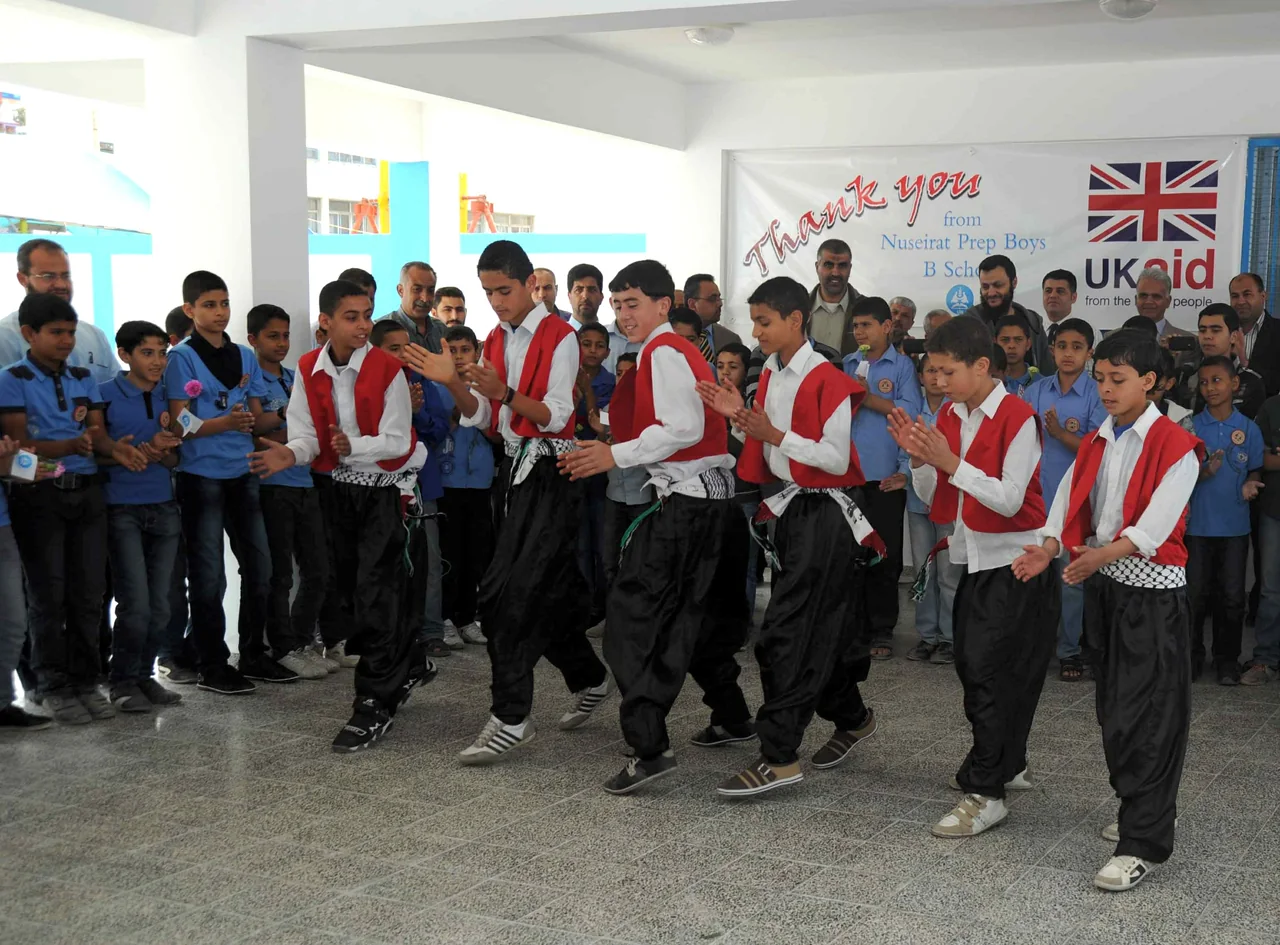
UNICEF’s Back to Learning program helped children in Gaza resume learning while damaged schools awaited repair. Launched with partners including the Palestinian Ministry of Education, it combined lessons in reading, writing, mathematics and science with recreation and activities supporting children’s wellbeing. The January 27, 2026 account reported 135,462 children accessing 111 temporary learning spaces.
These settings also gave repeatedly displaced children a place to meet classmates and teachers. Safety activities addressed risks including unexploded ordnance and poor sanitation.
What a portable classroom contains
The report described School-in-a-Box supplies reaching Gaza after prolonged restrictions. UNICEF’s explanation of the standard kit shows what that means in practical terms: materials for one teacher and 40 students, including pencils, notebooks, measuring tools and classroom teaching aids. Consumable supplies are intended to last at least three months. Teachers manage the contents and distribute the materials pupils need.
The durable box does more than carry stationery. It keeps supplies together between lessons, and its lid can become a blackboard using the paint included inside. Braille-embossed materials support learners with visual impairments. This is a portable teaching resource that can help a class begin working when the familiar furniture and equipment of a school are unavailable. UNICEF can hold kits in advance near places at risk of emergencies or dispatch them from global supply hubs as needs arise.
Safe space for more classes
The program aimed to reach 336,000 school-age children during 2026; January’s reported reach was an early position on that path. Long waiting lists showed the gap between available places and demand. More spaces required suitable land, rubble clearance and checks for explosive hazards, especially in northern Gaza.